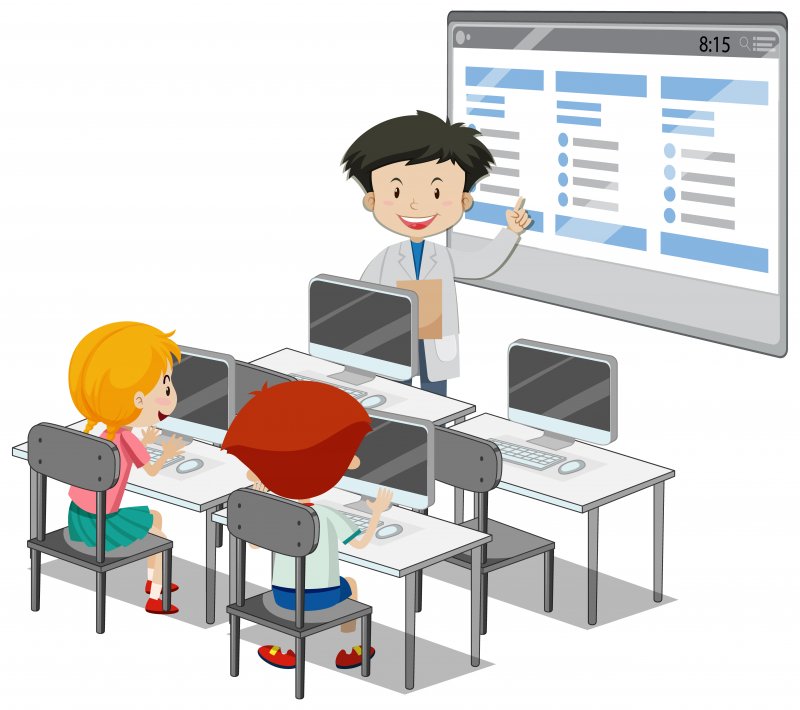
The influence of technology in education is steadily increasing, transforming traditional classroom environments. Smart classroom technologies are becoming increasingly prevalent to engage students and support learning. In this blog post, we will delve into the definition, benefits, and future prospects of smart classrooms. ????
Definition of Smart Classrooms:
Smart classrooms enrich traditional classroom environments with digital technology, enhancing students' learning experiences. These classrooms typically include interactive whiteboards, tablets, smart boards, student response systems, and other educational technologies. Additionally, cloud-based learning management systems and digital content are commonly used in classrooms. ????????
Benefits:
Enhancing Interactive Learning: Smart classroom technologies offer students interactive learning opportunities. Students can actively explore lesson materials, enrich learning experiences with interactive games, and increase engagement in the learning process. ????
Personalized Learning: Smart classroom technologies can be adapted to meet students' individual learning needs. Students can progress at their own pace and consume learning materials in a manner that suits their learning styles. ????
Data-Driven Decision Making: Smart classroom technologies provide real-time data on student performance to teachers and school administrators. This data assists teachers in monitoring student progress, identifying learning difficulties, and adapting instructional strategies. ????
Access to Online Resources: Smart classrooms provide students with access to online resources, expanding lesson materials. This provides students with a more comprehensive learning experience and the opportunity to delve deeper into lesson materials. ????
Future Prospects:
The future of smart classrooms looks promising. With the continuous advancement of technology, smart classrooms will become even more innovative and effective. Technologies such as artificial intelligence-powered learning systems, augmented reality applications, and virtual classroom environments will further enrich the smart classroom experience. ????
Conclusion:
Smart classrooms are powerful tools that support educational transformation. These technologies make students' learning experiences more interactive, personalized, and data-driven. As smart classrooms become more widespread in the future, there is no doubt that they will contribute to increased success and innovation in education. ????????
© Copyright © 2012 - 2024 Bessa Savunma - Design and Software Development Laynart Dijital

